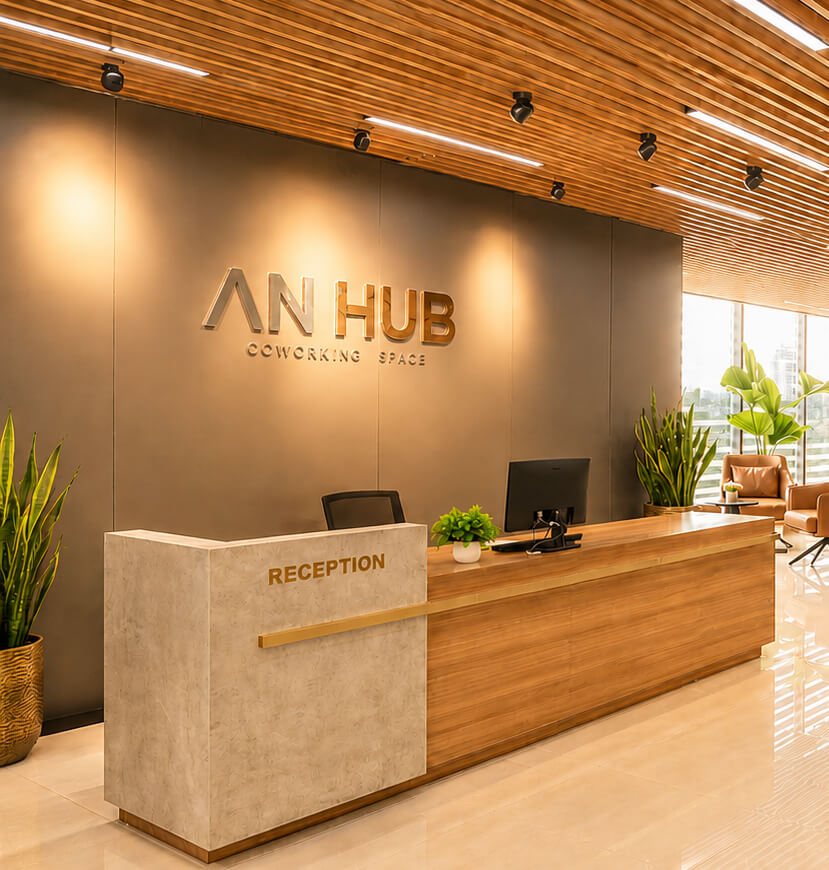


For established businesses, office space is increasingly being considered as a long-term asset that can help control rental costs and provide greater flexibility in strategic planning.
An Phu Tech, a technology company with approximately 200 employees, has been operating for eight years. The company considers its office an important part of both daily operations and brand positioning. A workplace does more than accommodate employees — it also reflects the company’s stability and long-term development strategy.
During its early years, the company viewed office space primarily as a necessary operating expense to meet immediate working needs. However, as the business entered an expansion phase, the CEO began paying greater attention to factors such as brand image, location stability, and the office’s ability to support medium- and long-term growth plans.
At this stage, although leasing offered flexibility, it also created several challenges. In 2024, the landlord announced a rental increase, forcing the company to reassess its budget to avoid putting pressure on cash flow.
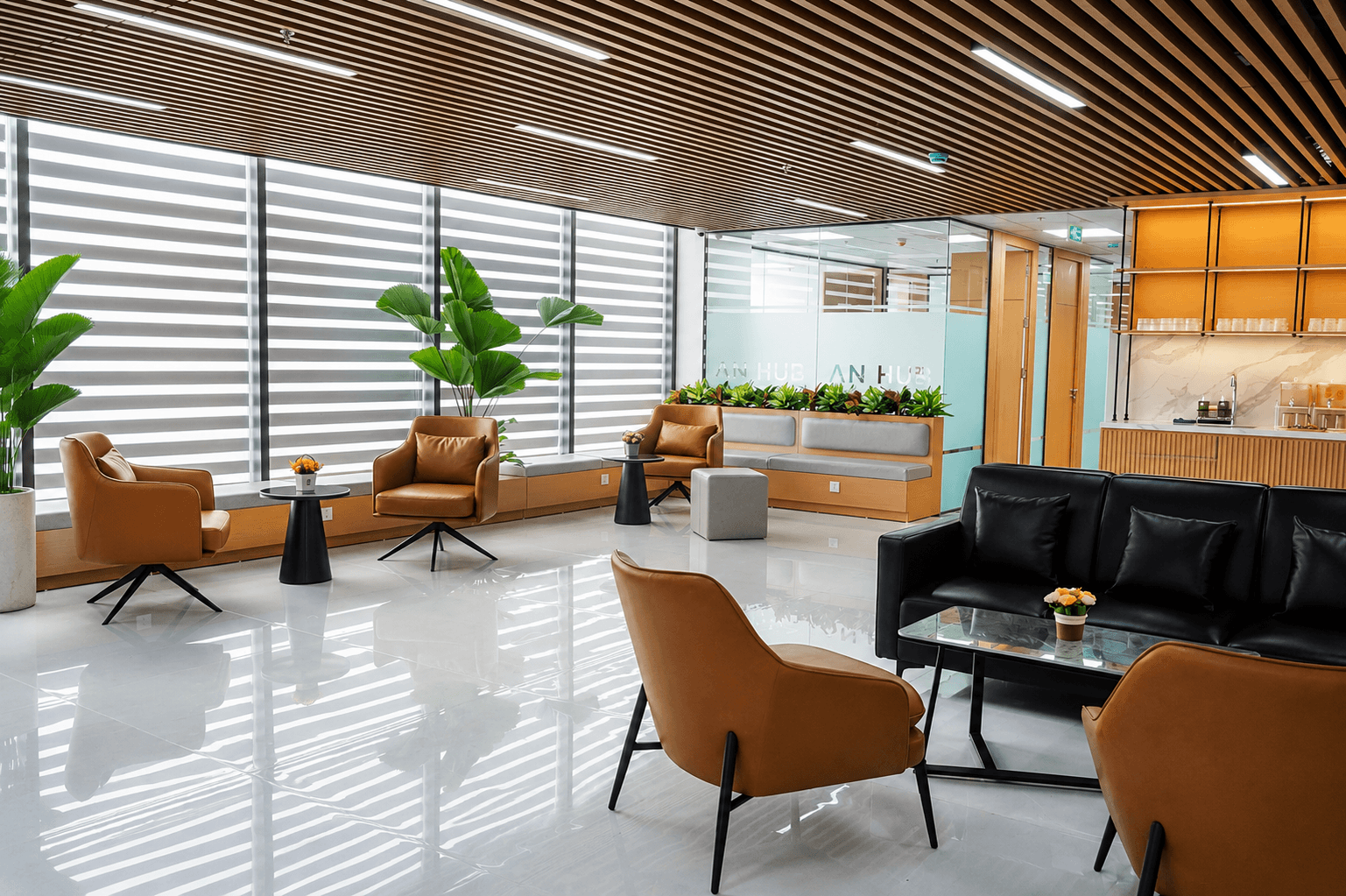
A similar situation occurred at Thai Minh, a logistics services company with nearly 100 employees that has been operating since 2015. In its early years, the company rented an office combined with a small warehouse in the inner city to facilitate transactions. However, as order volumes increased, the need for additional space and a stable long-term location became increasingly important.
According to Mr. Minh Phat, the company’s CEO, the business has relocated its office three times in the past five years due to rising rental costs and landlords changing the intended use of their properties.
“Each relocation involves renovation costs, operational disruption, and impacts the entire business system,” Mr. Phat said.
From the perspective of an office property operator in Hanoi, Mr. Bui Quang Hiep, 48, from Dong Da Ward, believes that owning office space can provide certain advantages compared with leasing.
In his view, when a business operates from a property it owns, it may strengthen credibility with clients and business partners while also giving employees a greater sense of stability regarding the company’s long-term direction.
This trend has led many businesses, including An Phu Tech and Thai Minh, to begin viewing office space as a long-term asset that can be owned and utilized, rather than simply as an operating expense.
The Long-Term Potential of Office Ownership
The potential benefits of office ownership have also been reflected in several market reports.
CBRE Vietnam’s Hanoi Figures research indicates that Hanoi’s office market remains stable, with new supply continuing to enter the market each quarter. Rental rates and occupancy levels have shown positive trends, particularly in high-quality office buildings, reflecting sustainable demand from medium-sized and large enterprises.
Savills has similarly noted that Hanoi’s office market is undergoing a rebalancing process.
By the third quarter of 2025, total office supply had reached approximately 2.3 million m² of floor space across nearly 190 buildings. Rental rates remained stable, while occupancy improved slightly to around 85%, largely supported by positive leasing performance at newly completed projects.
Leasing activity has been driven primarily by companies looking to relocate their offices in order to optimize costs and upgrade their working environments, particularly in central Hanoi and the western part of the city.
Against this backdrop, according to ROX Signature, a segment of businesses is also showing growing interest in owning office space.
These businesses are typically established companies with strong accumulated capital, stable cash flow, and a preference for Grade A office buildings due to their higher technical standards and greater flexibility in use.
Savills also notes that Grade A office vacancy rates in Hanoi are generally lower than those of other market segments. This suggests stronger value retention and potentially better liquidity over the medium to long term.
As available land in central districts becomes increasingly limited, expanded inner-city areas and western Hanoi are emerging as new destinations for both investment capital and office occupiers.
Office Property as a Long-Term Business Asset
In response to changing market demand, some developers are positioning office developments as assets that can support businesses through different stages of growth.
Rather than offering only traditional rental space, these developments are designed to serve as corporate headquarters while also providing the option to lease out unused space when a business restructures or expands.
One example is ROX Tower Goldmark City, developed by ROX Group and located at 136 Ho Tung Mau Street.
The project comprises 40 above-ground floors and more than 97,000 m² of office floor space, with flexible layouts that can be divided according to different business requirements. The building has been completed and is ready for operation.
Another advantage of the project is its “Smart Asset” model, which allows businesses to use the property as their headquarters while retaining the flexibility to lease it out during periods of strategic adjustment.
The Cost Gap Between Renting and Owning Is Narrowing
From a financial perspective, calculations by the developer suggest that the difference between renting and owning office space is gradually narrowing.
For office areas of approximately 130–140 m² in western Hanoi, prevailing rental rates are around USD 15–17 per m² per month, equivalent to approximately VND 660–740 million per year.
“If businesses own the property and combine it with flexible leasing strategies, the estimated payback period can be less than 10 years, depending on the financing structure and market conditions,” a ROX Group representative explained.
According to industry experts, the decision to purchase office real estate should be considered within the broader context of a company’s financial strategy and asset structure.
When office space is treated as a business asset, companies gain greater control over their working environment while also establishing a stronger foundation for medium- and long-term growth plans.